


ABUJA, Nigeria — The Federal Government has defended the recent fluctuations in petrol pump prices across the country, stating that the changes are a normal outcome of operating a fully deregulated petroleum market.
This clarification was issued by the Nigerian Midstream and Downstream Petroleum Regulatory Authority (NMDPRA) amid growing concerns from Nigerians over the rising cost of fuel at filling stations in major cities such as Abuja and Lagos.
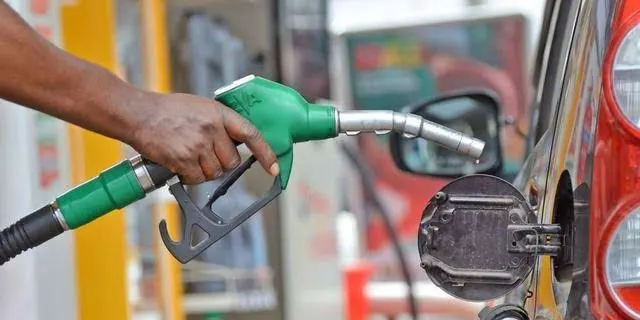
In recent weeks, motorists and businesses have experienced varying petrol prices at different filling stations, with some outlets selling fuel at significantly higher rates than others. The development sparked widespread debate among consumers who questioned the sudden changes in pump prices.
However, the regulatory authority insists that such fluctuations are expected under the current deregulated petroleum regime.
Deregulated Market Driving Price Changes
According to the NMDPRA, petrol prices are no longer controlled by the government but are now determined by prevailing market conditions.

Speaking on the issue, the spokesperson of the authority, George Ene-Ita, explained that since the government removed fuel price controls, the downstream petroleum sector has been operating under a deregulated framework similar to that of many other global energy markets.
He noted that in such systems, pump prices naturally move up or down depending on a variety of economic and market-related factors.
“Nigeria has been operating a fully deregulated downstream petroleum regime since the inception of the current administration. Pump price movements are therefore a reflection of prevailing market dynamics,” Ene-Ita stated.
He added that the era when government fixed petrol prices nationwide has ended, meaning that prices will continue to respond to supply, demand, and other market forces.
Factors Influencing Petrol Prices
The NMDPRA identified several factors responsible for the recent fluctuations in petrol prices across the country.
One of the major drivers is the price of crude oil on the international market. As a global commodity, crude oil prices often rise or fall depending on geopolitical developments, supply disruptions, and demand levels.
Recent tensions in the Middle East, particularly involving Iran, have pushed global oil prices higher, raising concerns about potential disruptions to energy supply chains worldwide.
Oil benchmarks such as Brent crude and West Texas Intermediate have recorded noticeable increases, which analysts say can directly affect petrol pricing in import-dependent markets like Nigeria.
Another major factor influencing pump prices is exchange rate volatility. Since petroleum products are priced internationally in U.S. dollars, fluctuations in the value of the Nigerian currency against the dollar significantly affect the cost of importing refined fuel.
Transportation costs, distribution logistics, and operational expenses across the supply chain also contribute to variations in retail fuel prices.
NNPCL and Refinery Price Adjustments
The recent price movements followed adjustments by the Nigerian National Petroleum Company Limited (NNPCL), which revised petrol pump prices at several of its retail outlets.
In Abuja, petrol prices at some NNPCL stations rose to approximately ₦960 per litre, reflecting increases in wholesale supply costs.
The development came shortly after a similar price adjustment by the Dangote Petroleum Refinery, which raised its gantry (ex-depot) price by about ₦100 per litre.
Industry analysts say such wholesale price adjustments often trigger corresponding increases at filling stations as marketers attempt to maintain their profit margins while covering operational expenses.
Concerns from Fuel Retailers
Fuel marketers have acknowledged that price changes are now a structural feature of Nigeria’s deregulated fuel market.
The Petroleum Products Retail Outlets Owners Association of Nigeria (PETROAN) has expressed concerns that frequent changes in pump prices could have broader economic consequences.
According to the association, rising fuel costs can increase transportation expenses, which may ultimately lead to higher prices for goods and services across the economy.
Nevertheless, PETROAN also pointed out that the policy of deregulation was designed to encourage investment in the downstream petroleum sector.
Industry stakeholders believe that greater private-sector participation could help improve fuel supply, expand infrastructure, and create a more competitive market over time.
What It Means for Nigerians
For ordinary Nigerians, the deregulated pricing system means that petrol prices will increasingly reflect both global and domestic economic conditions.
Energy economists say this system may bring periods of volatility, especially when international oil prices rise or when the exchange rate weakens.
However, they also argue that in the long term, increased refining capacity within the country could help stabilize supply and reduce reliance on imported petroleum products.
The emergence of large-scale facilities such as the Dangote refinery is expected to gradually reshape Nigeria’s fuel supply chain and potentially moderate future price swings.
The Bottom Line
The latest statement from the NMDPRA highlights the reality that Nigeria’s fuel market has entered a new phase where government no longer directly fixes petrol prices.
Instead, market forces—including global oil prices, exchange rates, supply logistics, and refining costs—now determine what consumers pay at the pump.
As international energy markets continue to react to geopolitical developments and supply concerns, petrol prices in Nigeria are likely to remain sensitive to global trends while the country adjusts to its deregulated petroleum economy.