

Receive International Payments Easily
Create a free USD, EUR or GBP account with Geegpay and receive payments from anywhere in the world.
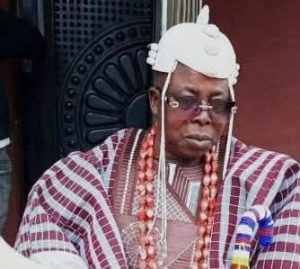
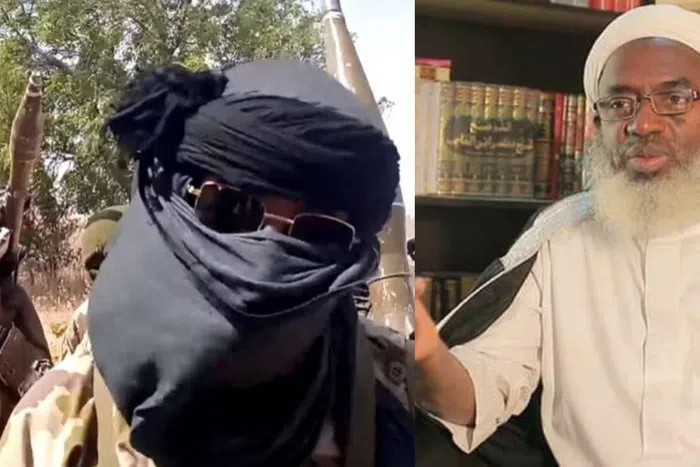
Open Free AccountControversial Islamic cleric Ahmad Gumi has claimed that the Federal Government of Nigeria knows the identities and locations of terrorists operating across the country.
Zilla Naija gathered that Gumi made the statement during an interview with DRTV, where he spoke about insecurity and possible ways to resolve ongoing conflicts involving armed groups.
According to the cleric, he does not negotiate with terrorists alone when he engages in dialogue with them.
Publish Your Content on ZillaNaija
Do you have news, an event, a press statement, business promotion, political update, NGO activity, or special announcement to share? Reach thousands of readers by publishing on ZillaNaija.com.
Publish Now“The Nigerian Government knows every terrorist in Nigeria by name and their locations. I do not go alone to negotiate with them. I go with the Police, the Military and other security agencies,” he said.
Calls for Dialogue With Armed Groups
During the interview, Gumi also spoke about the possibility of supporting peace negotiations involving armed groups such as the Indigenous People of Biafra (IPOB), Boko Haram, and bandits operating in various parts of the country.
More Read

He said he would support the groups if they are willing to lay down their weapons and engage in peaceful discussions with the government.
Gumi emphasized that dialogue could play a key role in ending violence and restoring stability.
“Dialogue can bring peace and we are men of peace. Even IPOB, which was once pushing for secession, if they are ready to put down their arms and come to a roundtable to discuss, I’m ready and would support them. What we don’t want is violence,” he said.
Concerns Over Public Trust and Governance
The cleric also noted that there is widespread mistrust between citizens and the government, which he believes contributes to the ongoing insecurity.
He argued that addressing the crisis requires both military action and non-military strategies.
According to him, experts should be involved in discussions to develop solutions that address the root causes of insecurity.
Gumi further highlighted several challenges facing Nigeria, including poor road networks, unreliable electricity supply, expensive healthcare, and limited access to quality education.
He said these issues must be addressed if the country hopes to tackle insecurity effectively.
Zilla Naija reports that insecurity remains a major concern in Nigeria, with various armed groups operating in different regions of the country.