



The International Energy Agency (IEA) has announced that its member countries will release 400 million barrels of oil from emergency reserves in an effort to ease the global energy shock caused by the ongoing conflict in the Middle East.
Zilla Naija gathered that the move represents the largest emergency oil release in the history of the organization.
Speaking to reporters, IEA Executive Director Fatih Birol said the decision was unanimously agreed upon by the agency’s member states.
“IEA countries have unanimously decided to launch the largest-ever release of emergency oil stocks in our agency’s history. IEA countries will be making 400 million barrels of oil available,” Birol said.
He explained that the move is aimed at reducing the immediate impact of the ongoing disruption in global oil markets.
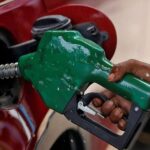
Oil Supply Disrupted By Iran War
Global oil markets have experienced major volatility since the United States and Israel began military strikes against Iran.
Iran responded with attacks on strategic targets in the oil-rich Gulf region, leading to major disruption in shipping through the Strait of Hormuz.
The strait normally carries about 20 percent of the world’s oil and gas supply, making it one of the most important energy routes globally.
Birol stressed that while the emergency oil release will help stabilize markets, reopening the Strait of Hormuz remains the most important step toward restoring normal supply flows.
Largest Release In IEA History
The coordinated action marks the sixth time in the agency’s history that emergency oil stocks have been released.
The IEA was originally created after the 1973 oil crisis to help countries coordinate responses to major disruptions in oil supply.
The new release surpasses the 182 million barrels that IEA member states released in 2022 following the invasion of Ukraine by Vladimir Putin.
According to the agency, the oil will be made available over a timeframe that fits the national circumstances of each member country, with additional emergency actions expected from some governments.
G7 Leaders Discuss Energy Crisis
The announcement came as leaders of the Group of Seven major economies held a virtual meeting to discuss the economic impact of the Iran war.
The meeting was chaired by Emmanuel Macron, who urged world leaders to coordinate efforts to reopen the Strait of Hormuz as quickly as possible.
Macron also said the disruption in oil transit should not lead to the removal of sanctions placed on Russia over the war in Ukraine.
Countries Begin Releasing Oil Reserves
Several countries have already begun announcing plans to release oil from their strategic reserves.
For instance:
Japan said it may begin releasing oil reserves as early as next week.
Germany also confirmed plans to release about 2.4 million tons of oil to help stabilize supply.
Meanwhile, Doug Burgum said the current situation is more of a transit problem than a global energy shortage.
“What we have here is not a shortage of energy in the world. We’ve got a transit problem,” he said.
Analysts Say Impact May Be Temporary
Energy analysts warn that while the release of 400 million barrels is significant, it may only provide a temporary solution.
According to Ipek Ozkardeskaya, IEA member countries consume around 45 million barrels of oil every day, meaning the emergency reserves may not last long if disruptions continue.
She also noted that oil production in the Middle East has already dropped by about six percent since the conflict began.
Global Response To Rising Oil Prices
Countries around the world are already taking measures to manage the effects of rising fuel prices.
For example:
Bangladesh has deployed the military to protect oil depots.
India has tightened controls on cooking gas and natural gas supplies.
Greece plans to cap profit margins on gasoline and certain food items for three months.
France has begun inspecting petrol stations and penalizing businesses found to be inflating prices.
According to the IEA, its member countries collectively hold over 1.2 billion barrels of public emergency oil reserves, alongside an additional 600 million barrels held by industry under government mandates.
Experts say these reserves could help cushion the global economy while diplomatic efforts continue to resolve the conflict.
Zilla Naija will continue to monitor developments in the global energy market as the situation evolves.