



The recent reduction in petrol prices by the Dangote Petroleum Refinery was expected to bring relief to Nigerians struggling with high transportation and living costs.
However, many consumers say the impact has yet to be felt at filling stations across the country.
According to reports, the refinery recently reduced its gantry price of petrol by ₦100 per litre, bringing the price down to ₦1,075 per litre following a drop in global crude oil prices.
The international oil benchmark Brent Crude reportedly declined from about $110 per barrel to around $92, partly due to easing geopolitical tensions involving the United States, Iran, and Israel.
Pump Prices Barely Move
Despite the drop in wholesale prices, petrol pump prices across many parts of Nigeria remain largely unchanged.
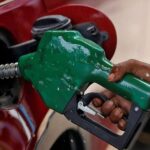
In Abuja, some stations operated by NNPC Limited have reduced pump prices from about ₦1,265 to ₦1,161 per litre.
A few private marketers have followed suit.
However, many independent filling stations still sell petrol between ₦1,300 and ₦1,355 per litre, showing little response to the recent reduction at the refinery level.
Consumers Face Economic Pressure
The slow adjustment has raised concerns among consumers who say the pattern has become common in the petroleum sector.
When crude oil prices rise, pump prices often increase quickly. But when international prices fall, the reductions tend to happen slowly or unevenly.
For many Nigerians, high fuel prices continue to affect daily life, especially for transport operators and small businesses that rely heavily on petrol.
Commercial drivers, motorcycle operators, and delivery businesses often raise fares and service charges to cope with fuel costs, which eventually pushes up the prices of goods and services.
Promise of Local Refining
The launch of the Dangote Petroleum Refinery was widely expected to stabilise Nigeria’s fuel market and reduce the country’s dependence on imported refined petroleum products.
Industry analysts say the refinery now supplies a large share of the nation’s petrol demand, helping Nigeria save foreign exchange previously spent on imports.
But experts argue that the benefits of domestic refining will only be fully realised when price reductions reach the final consumer.
Call for Regulatory Oversight
Attention is now turning to the Nigerian Midstream and Downstream Petroleum Regulatory Authority, which oversees activities in the downstream petroleum sector.
Observers say the regulator must ensure that reductions in depot prices are reflected fairly at filling stations.
Although Nigeria operates a deregulated fuel market, experts insist that transparency and consumer protection remain essential.
Global Oil Market Still Uncertain
The global oil market remains sensitive to geopolitical tensions, particularly around the Strait of Hormuz, a key transit route for a large share of the world’s oil supply.
In response to recent tensions in the Middle East, the International Energy Agency has announced plans to release 400 million barrels of oil from emergency reserves to stabilise global markets.
Nigerians Await Real Relief
Nigeria’s petroleum sector is currently undergoing major reforms, including subsidy removal and increased local refining capacity.
However, many Nigerians say the real test of these reforms will be whether lower fuel costs eventually translate into genuine relief at the pump.
Until then, consumers say every announced price cut will remain incomplete if it fails to reflect in what they actually pay at filling stations.